


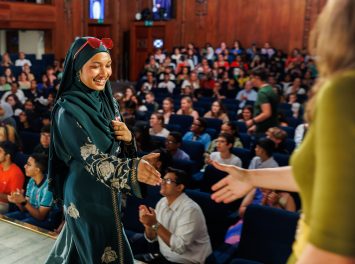
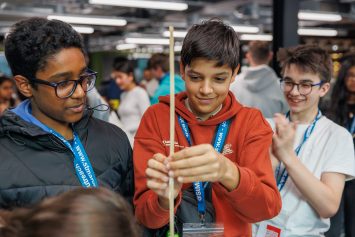

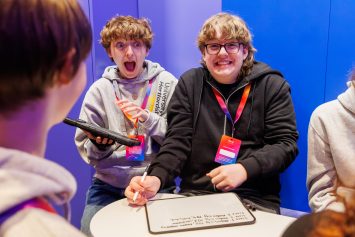

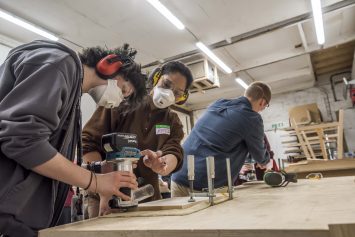

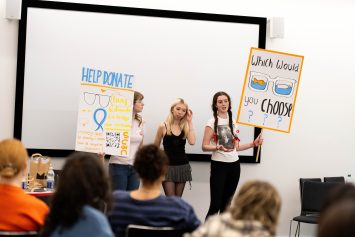


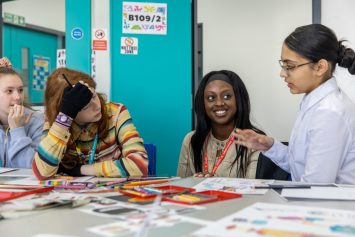
The Saturday Club Trust is ambitious in its aim to achieve equity of access to extracurricular education and is expanding the network with the support of committed partners across all four nations of the UK. The model represents an exceptional opportunity to build young people’s creative skills and embolden them to become the next generation of creatives, innovators and entrepreneurs.
The National Saturday Club programme provides a powerful way to open your doors to 13–16-year-olds from your local community, enabling them to access your facilities, tutors and specialist expertise in a supportive setting. Through a year-long programme, young people explore subjects they may not otherwise encounter, develop confidence and curiosity, and build the essential skills that support learning and progression, including critical thinking, problem solving and collaboration.
Designed as a ready-to-deliver model, you benefit from the knowledge, infrastructure and best practice of a well-established national network, alongside hands-on support from the National Saturday Club team. This enables you to deliver high-quality provision without the time and resource pressures of starting from scratch.
You will also be supported by a dedicated regional Relationship Manager who will work closely with you to help set up and grow your Club.
“The National Saturday Club programme has influenced our learning strategy and redefined our approach to youth engagement. We’ve gained national recognition, which has increased visibility […] and helped us to communicate impact and value to our funders and supporters.”
– Sarah Wilson, Kirklees Museums and University of Huddersfield Saturday Club
“This has been a life changing experience for my daughter. It has taken her from being quite shy and spending a lot of time in her room to a more rounded individual with hopes and aspirations for the future.”
– Parent, York Art Gallery
To find out more about starting a Saturday Club, contact Paul Allnutt, UK Network Director. For more information about the programme and its impacts please see our 2024-25 Annual Review.