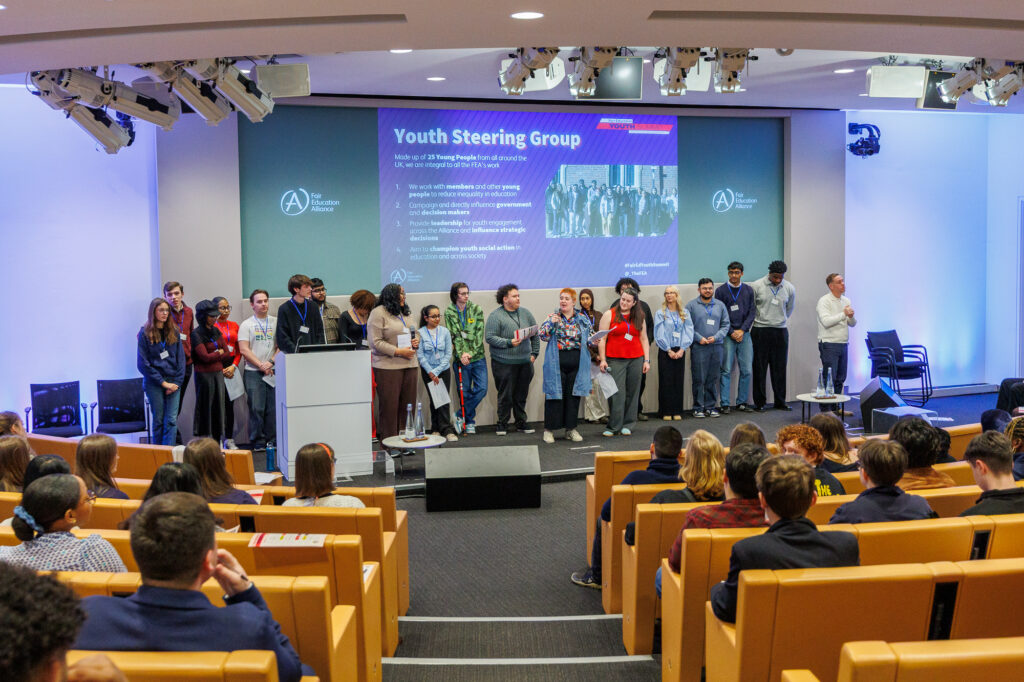
On Tuesday 17 February, the Fair Education Alliance (FEA) held the Fair Education Youth Summit in London. Designed by young people, for young people, and led by the FEA Youth Steering Group, the event brought together over 180 11–21 year-olds alongside educators, policymakers and community leaders.
Discussions throughout the day ranged from the National Youth Strategy and voting at 16, to the future of jobs and what true inclusion looks like.
We were delighted to invite Geneva London, a member of the National Saturday Club Youth Board, to represent us at the Youth Summit. The National Saturday Club’s Youth Board programme aims to provide members with opportunities to take part in national conversations and develop their confidence as advocates for issues important to them. The Youth Summit was an opportunity to connect with peers, develop skills for social action and engage directly with decision makers shaping education policy.
Here’s what Geneva London had to say about the experience:
“The FEA Youth Summit was an enlightening experience that showed how young voices can be championed, highlighting both the progress already being made and what more can be done to ensure all young people have equal opportunities in education.
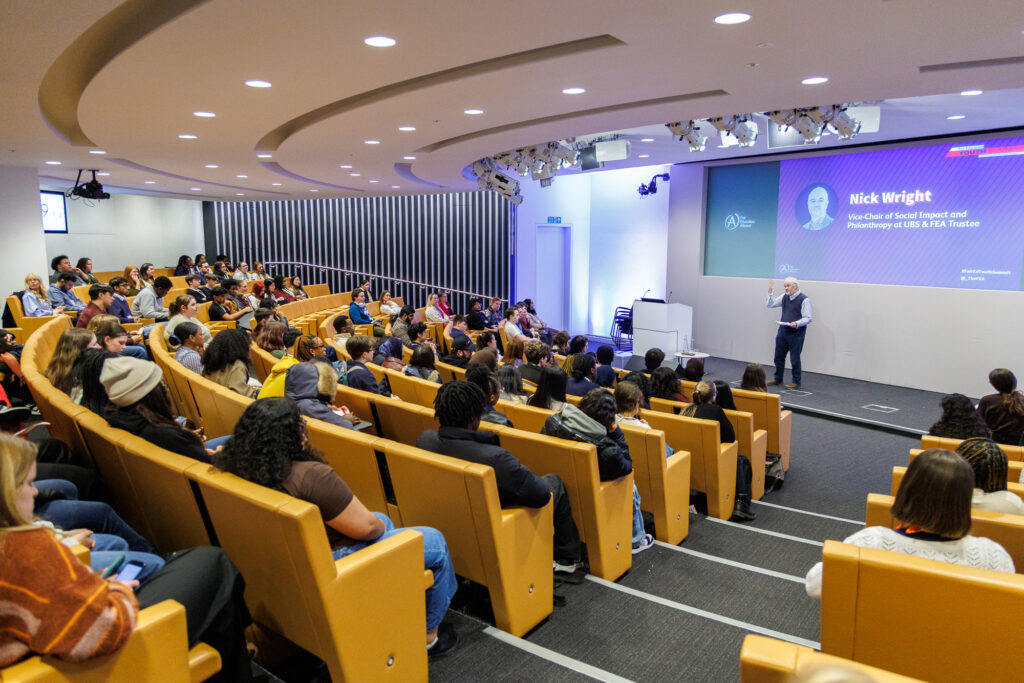
The event itself was thoughtfully designed, with different rooms for each talk and colour-coded to make sessions easy to navigate. What I appreciated most was that every speaker I saw made space for active participation, making sure their message actually landed with the audience.
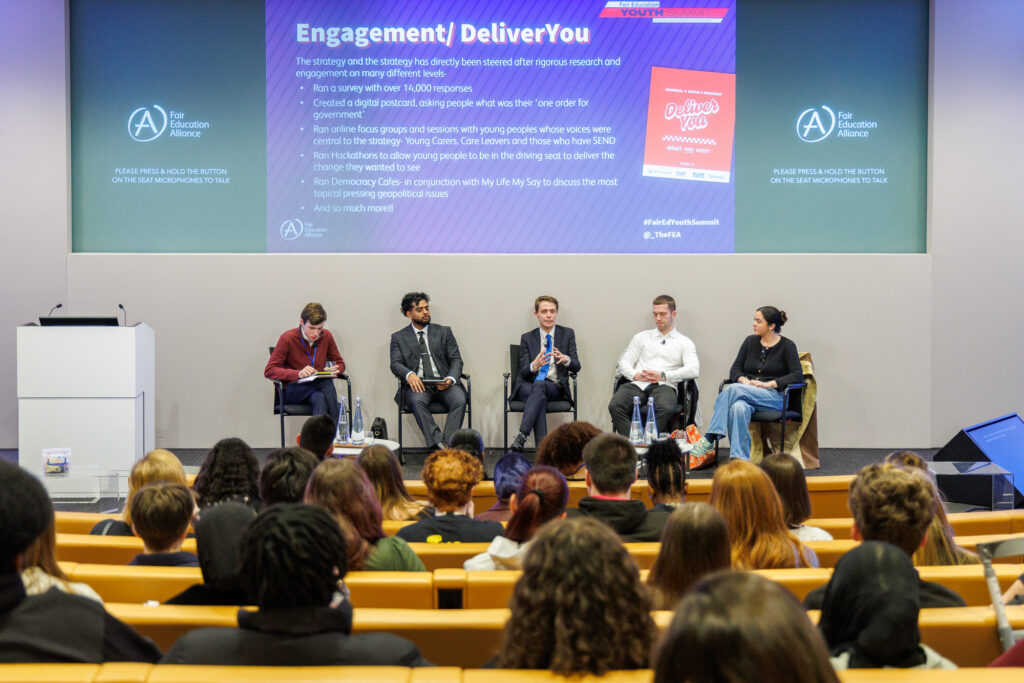
During the National Youth Strategy session, the discussion turned to barriers young people face in education. I raised an issue that often goes unnoticed – the disparities faced by young people who are alternatively educated compared to those in mainstream education. Families in alternative education settings can often face higher costs for private exams, travel and revision tools and materials. These are barriers that simply aren’t feasible for everyone.
I suggested that there should be stronger systems in place to support these families, ensuring young people can succeed academically while maintaining the educational approach that works for them. My perspective was met with genuine interest, as it offered an outlook that isn’t commonly raised in these conversations.
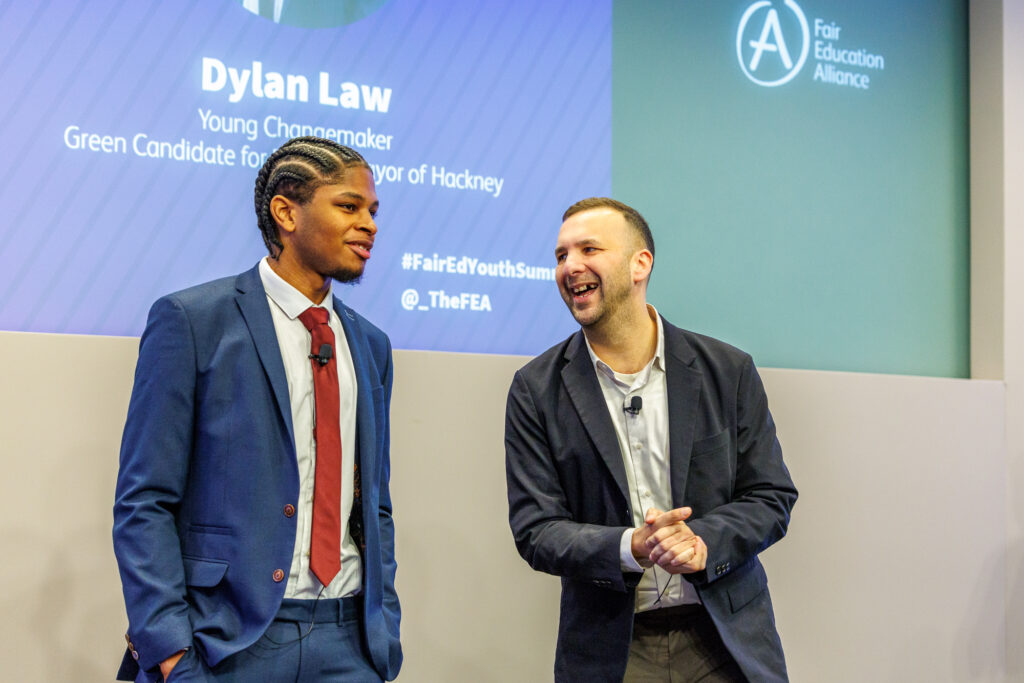
I also listened to discussions with Dylan Law and Zack Polanski about the importance of young people’s perspectives in leadership positions. It was encouraging to hear how the government has become more active on social media post-pandemic to connect with youth organisations, which is a step forward in staying in touch with this generation.
A standout moment was a great musical performance that ended with everyone dancing the Electric Slide. It showed the power that music has in bringing people together, which is one of my main personal missions.
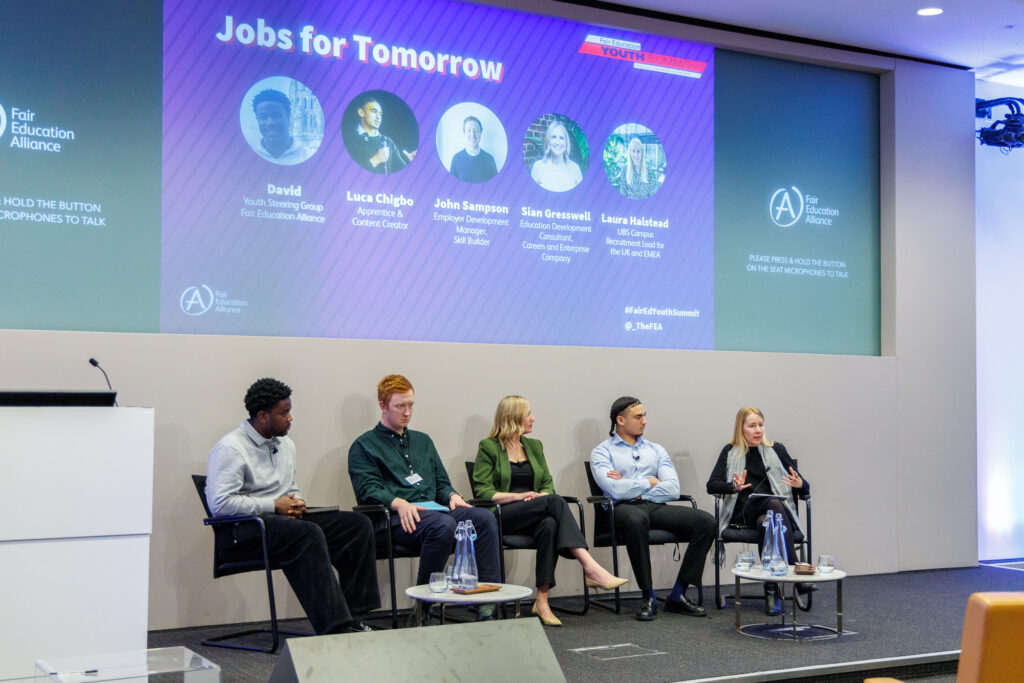
The ‘Jobs for Tomorrow’ session was especially thought-provoking. When the group was asked how many people planned to go to university, the room was split evenly. This sparked a brilliant debate about how schools can prepare young people for the careers they want and for wider employability.
It made me reflect on how important it is to help young people see the connections between what they learn in education and the real world of work.
Within the National Saturday Club, we champion youth perspectives, so witnessing both spoken and visual ways that this can be put into action felt empowering. It reminded me of how the National Saturday Club supports young people in finding their voices through the creative arts.
Networking was another highlight of the day. I met Lou Chandler, who advocates for mental health and neurodivergent people by sharing her own experiences and offering tools to help others thrive. We spoke about the importance of recognising different learning styles and supporting diverse neurotypes within education.
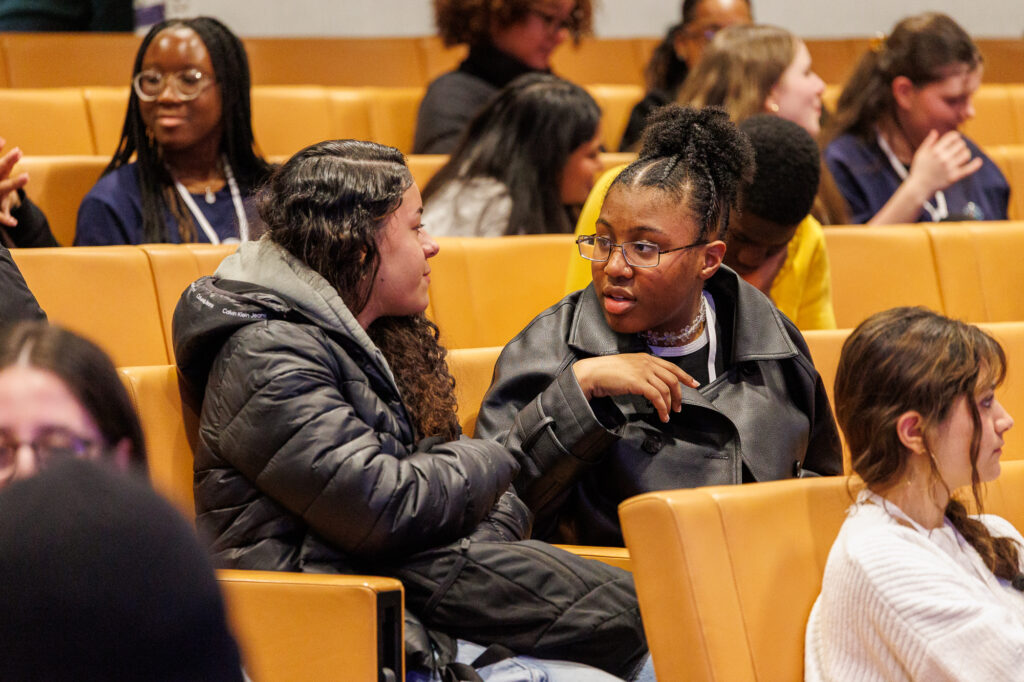
I also met Samiya Hamid from the Mayor’s Fund for London. We sat together during the National Youth Strategy session and took part in activities where we discussed our education experiences. I was really pleased to see that Samiya later mentioned both me and the National Saturday Club in her LinkedIn reflections of the event. It was a reminder of how a single conversation can create lasting connections.
Overall, the Youth Summit is an experience I won’t forget. What stood out most was that the event was designed for young people, by young people.
It reminded me of the work we do on the National Saturday Club’s Youth Board, where we also help to shape youth projects, such as the Summer Show. Experiences like this show that when we use our voice to highlight issues around us, young people can influence conversations and make a real difference.
Words by Geneva London, National Saturday Club Youth Board member